_edited.png)
What is a First Mortgage?
Updated: Apr 8
A first mortgage is the primary and most senior loan secured against a property. It holds first priority on the property title, meaning that in the event of a sale or enforcement, the first mortgage lender is paid out before any other lender. Because of this priority position, first mortgage loans usually have lower interest rates and lower risk compared to second mortgages or caveat loans.
In private lending, first mortgages are commonly used for:
refinances
business-purpose cash-out
land purchases
development and construction
bridging finance
investment property acquisition
To view Innovate Funding's main product page, visit: First Mortgage Loans.
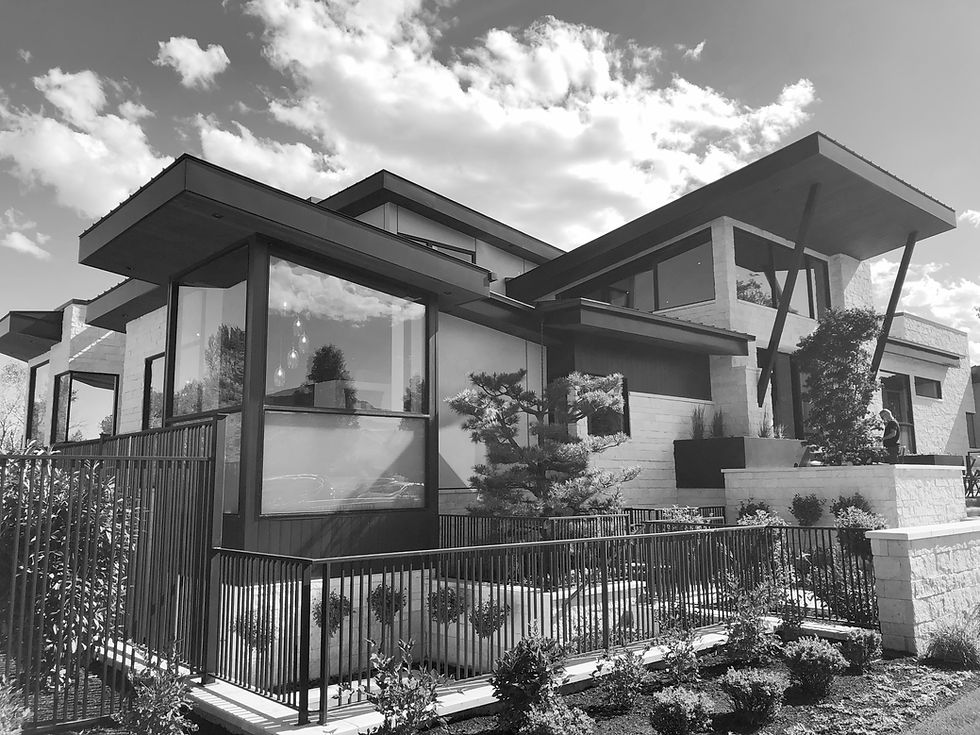
How a First Mortgage Works
When a borrower takes out a first mortgage:
The lender registers a mortgage on the property title
This registration gives the lender first priority security
The borrower receives funds for a business or investment purpose
Interest is paid monthly or capitalised (depending on structure)
When the loan is repaid, the mortgage is discharged from title
The lender holds the strongest possible security position; first mortgage loans attract lower pricing, higher maximum loan amounts, longer terms than second mortgages, and simplified approval when equity is strong.
Why First Mortgages Offer Better Rates
A first mortgage gives a lender legal priority, which significantly reduces their risk. Lower risk for the funder means lower interest rates, reduced fees, increased loan flexibility, better options for capitalised interest, and longer loan terms (often 6 to 36 months). This is why private lenders prefer first mortgage positions whenever possible.
First Mortgage vs Second Mortgage
Many borrowers ask whether a first or second mortgage is most suitable for their scenario.
First Mortgage
Primary loan on title with lowest interest rates
Highest priority for the lender and highest loan capacity
Suitable for refinances, purchases, development, and business cash-out
Second Mortgage
Sits behind the first mortgage with higher rates due to higher lender risk
Used for equity release without refinancing, suitable for short-term working capital or bridging
When Borrowers Choose a First Mortgage
Borrowers commonly choose a first mortgage when they want the cheapest possible rate, are refinancing an existing loan, need funds for a business or investment purpose, want higher loan amounts and longer terms, are acquiring property or land, or are funding construction or development.
For developers, a first mortgage is often used alongside land development loans to fund the full project lifecycle.
Private Lenders vs Banks: Key Differences
A bank first mortgage generally requires full financial statements, tax returns, strong credit history, long processing times, and strict servicing criteria. A private first mortgage generally requires strong equity, acceptable loan purpose, a clear exit strategy, business or investment use, and commercial judgement rather than rigid policy. Private first mortgages are significantly faster, flexible and easier to obtain, especially for self-employed borrowers, investors, developers, and clients with credit impairments.
Typical Uses for First Mortgage Private Lending
1. Refinance and Business Cash-Out
To pay out existing loans, consolidate debts, or use property equity to support business growth or short-term operations.
2. Bridging Loans
To fund purchases before a sale settles. See our bridging loan service page for full details.
3. ATO / Tax Debt
Private lenders can provide first mortgages to pay ATO arrears, which banks typically avoid.
Example Scenario
A business owner in Melbourne needs $750,000 to purchase a warehouse. A major bank declines the application due to incomplete financials. A private lender offers a first mortgage at 65% LVR, with interest capitalised for 12 months. Settlement occurs in 5 business days. The borrower refinances to a bank once their financials are updated.
Risks and Considerations
Borrowers should consider higher interest compared to traditional bank first mortgages, the requirement for a clear exit, shorter terms than long-term bank facilities, valuation reliance, and the potential for capitalised interest to increase peak debt. Because of the strong security position, first mortgages remain the safest form of private lending for both borrower and lender.
FAQs About First Mortgages
What is a first mortgage?
A first mortgage is the primary and senior loan secured by a property, giving the lender first priority over all other claims.
Why is a first mortgage cheaper than a second mortgage?
Because the lender holds the strongest security position, resulting in lower risk and therefore lower rates and fees.
Can first mortgages be used for business cash-out?
Yes. Many private first mortgages are used for business expansion, working capital, and general investment purposes. Explore our secured business loans page for more information.
How fast can a private first mortgage settle?
Private lenders can approve and settle within 3 to 7 business days, depending on valuation readiness.
Ready to explore your options? Contact Innovate Funding for a fast, no-obligation assessment.


